
Our History
Stoneleigh Abbey was founded by the Cistercian monks of Radmore Abbey in Cannock Chase in 1154. exchanging their troubled lands for a quiet corner here, in the heart of the Forest of Arden.
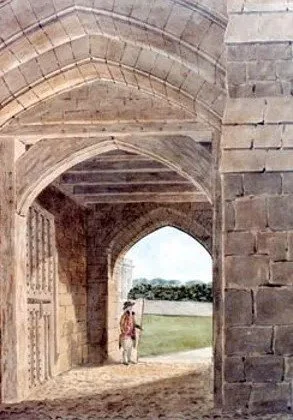
Today, little trace remains of the original Abbey buildings, except for the 14th-century Gatehouse. The estate was acquired by Sir Thomas Leigh, Lord Mayor of London in 1558, after The Dissolution of the Monasteries and a manor was built- encapsulating the remnants of the monastic buildings.
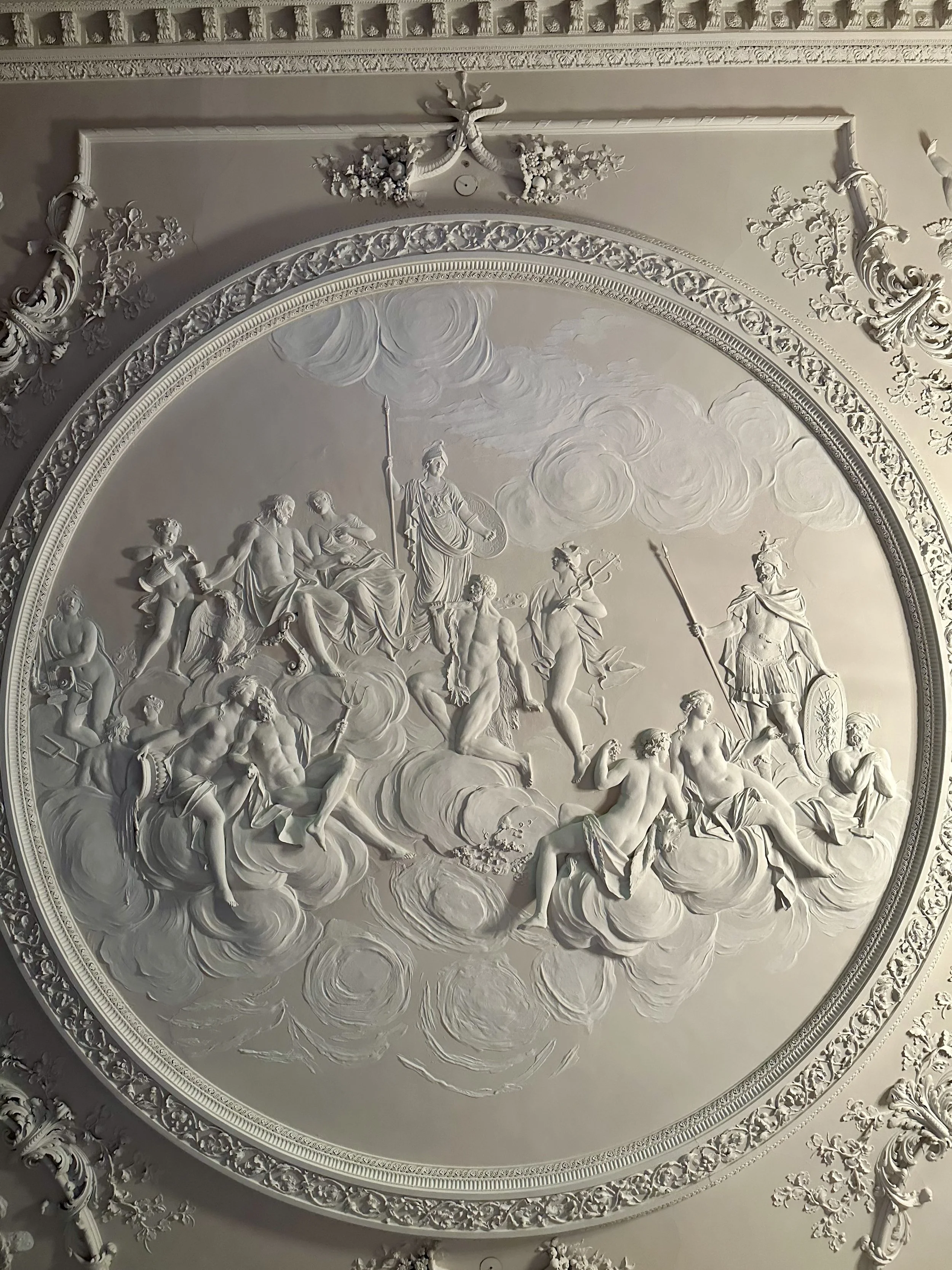
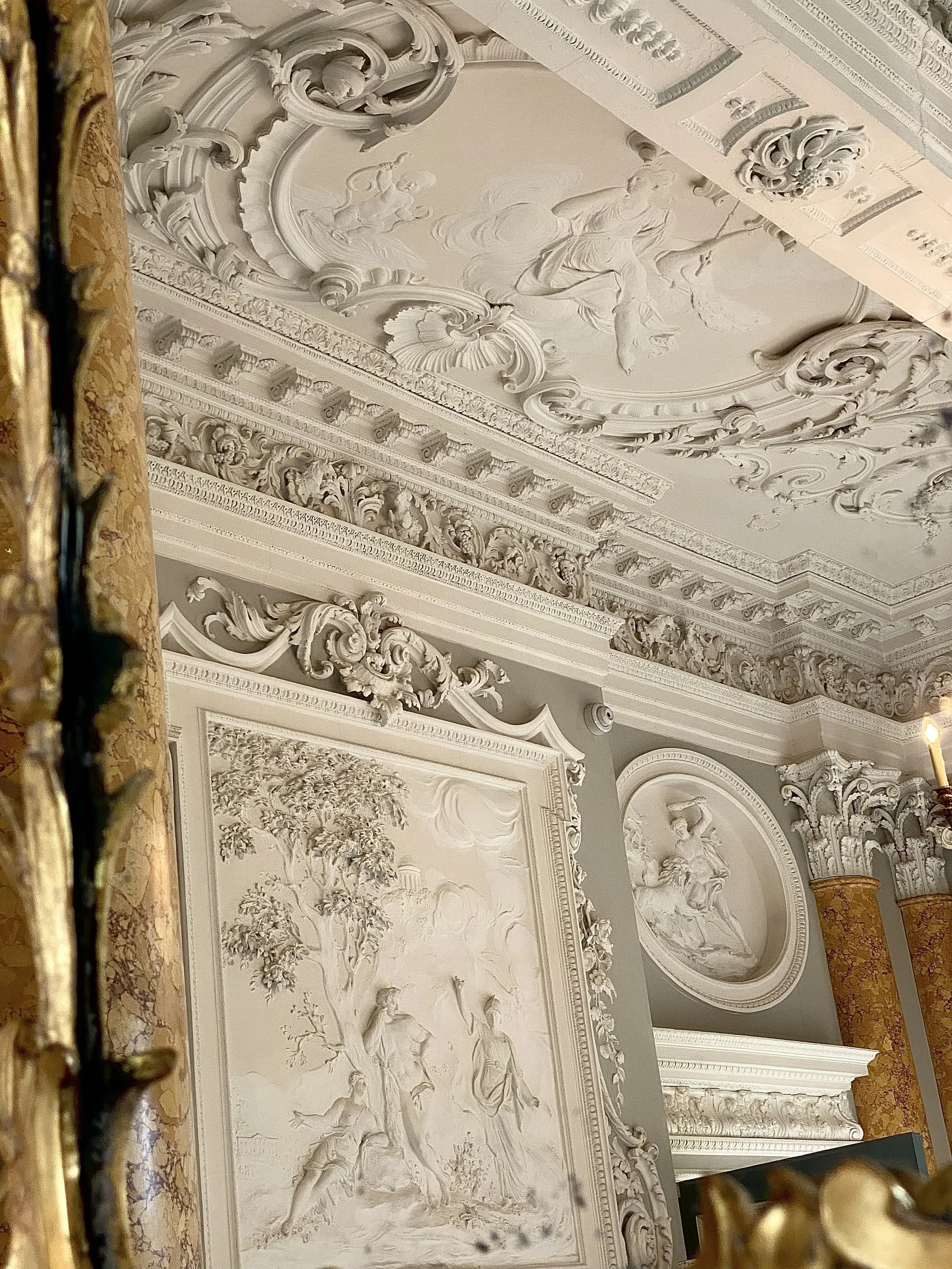
Between 1714 and 1726 a palatial four-storey fifteen-bay west wing was built to designs by architect Francis Smith of Warwick, in the Italian baroque style. Creating what we see today. The Abbey has played host to several people of note during it’s tenure as the family seat of the Barons of Leigh, including King Charles I, Queen Victoria, and cousin to the Leigh family, Jane Austen.
-
![Painting of a young woman with curly hair, wearing a bonnet and a blue dress with a beige ruffle collar, posed with her arm resting on a surface.]()
Jane Austen
Have you ever wondered where Jane Austen got the inspiration for the places and characters in her novels?
-
![A person standing under a stone archway of an old historic structure with a grassy field and trees in the background.]()
Humphry Repton
Find out more about Humphry Repton and his Famous Red Book, which influenced the design of the Abbey’s grounds.
-
![A large, old tree with thick, textured bark and sprawling branches in a grassy yard, with a wooden fence in the background and green foliage all around.]()
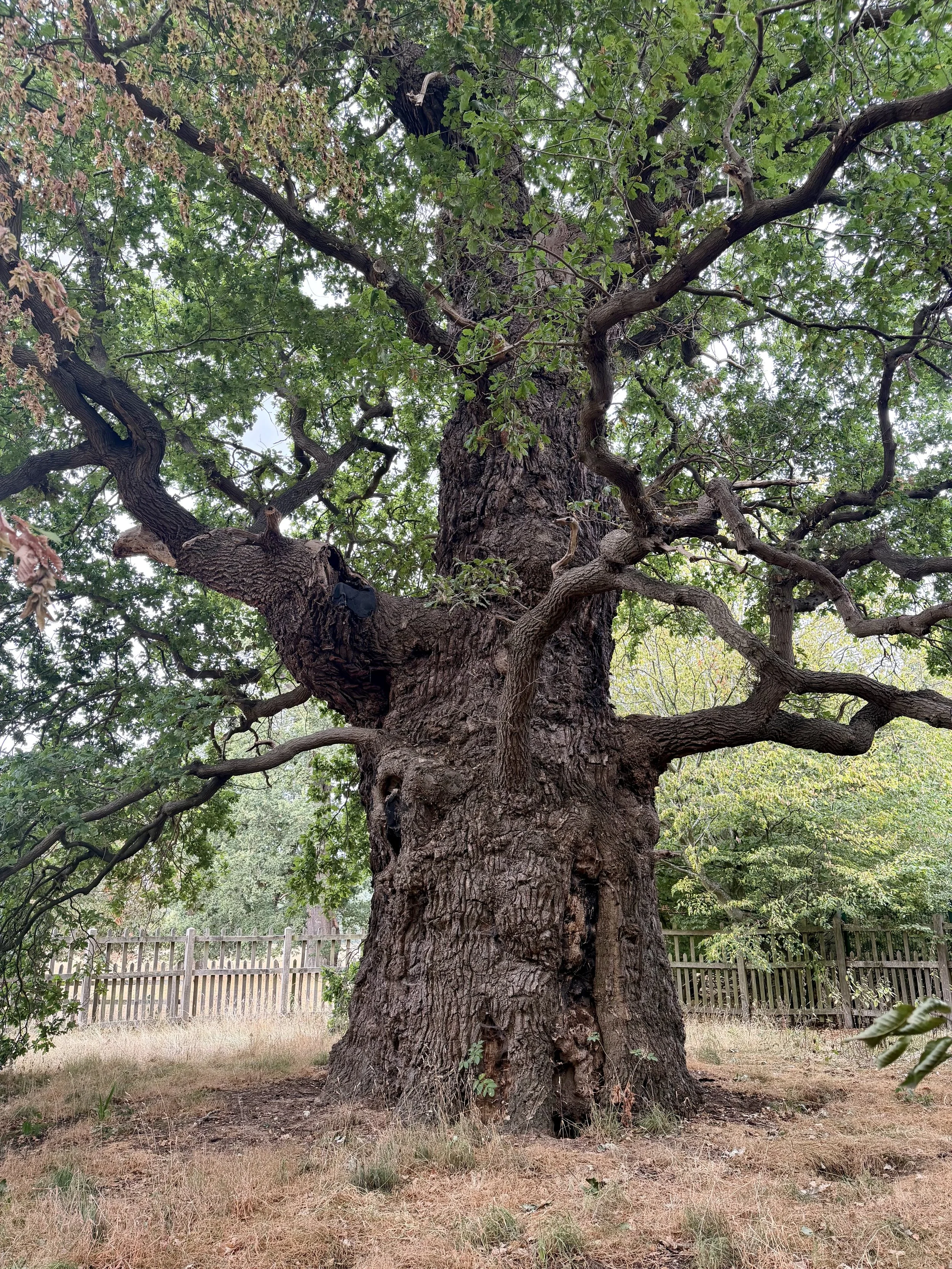
Shakespeare's oak
The Shakespeare Oak within the grounds of Stoneleigh is thought to be around 1,000 years old and draws tree lovers from all over the country.

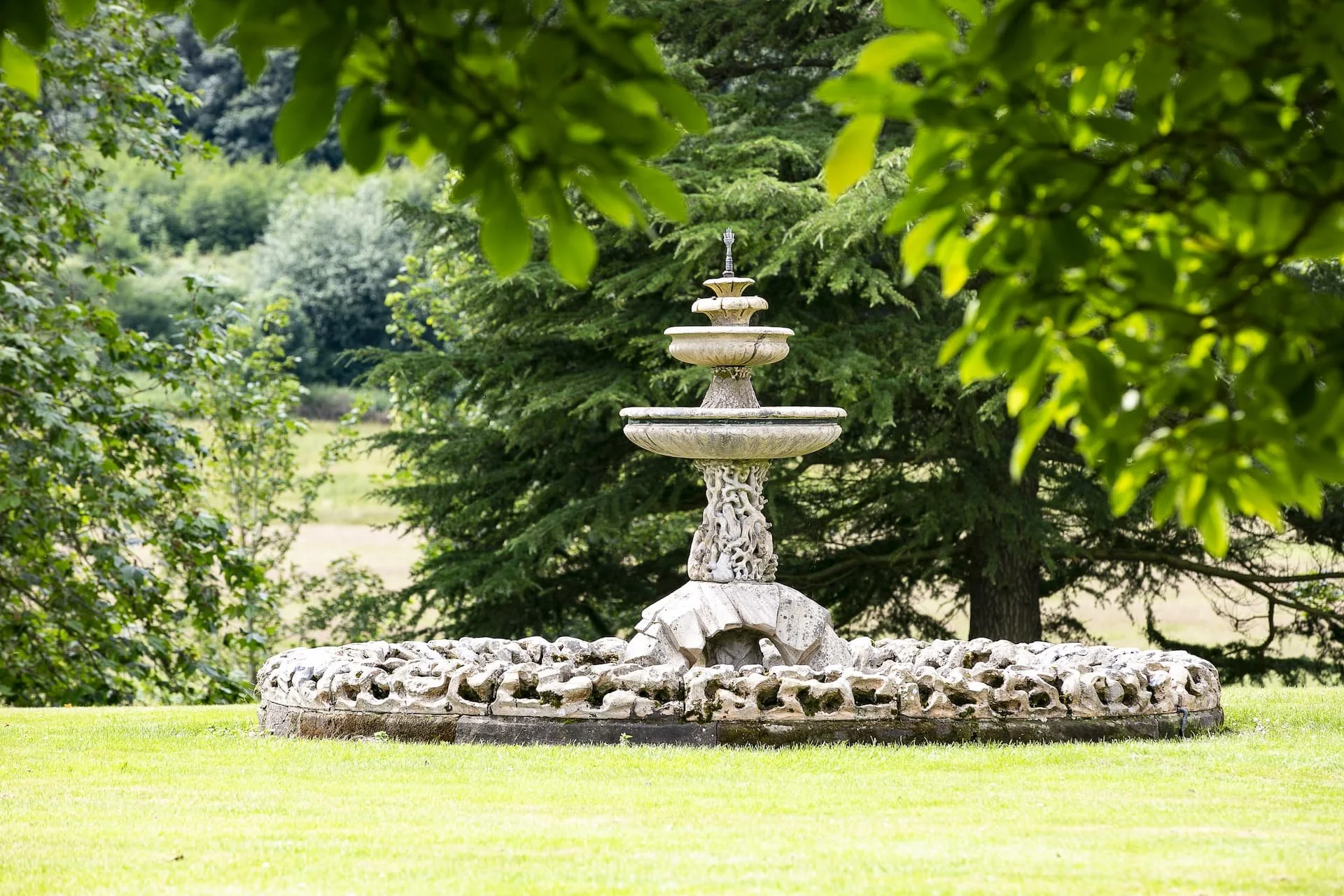
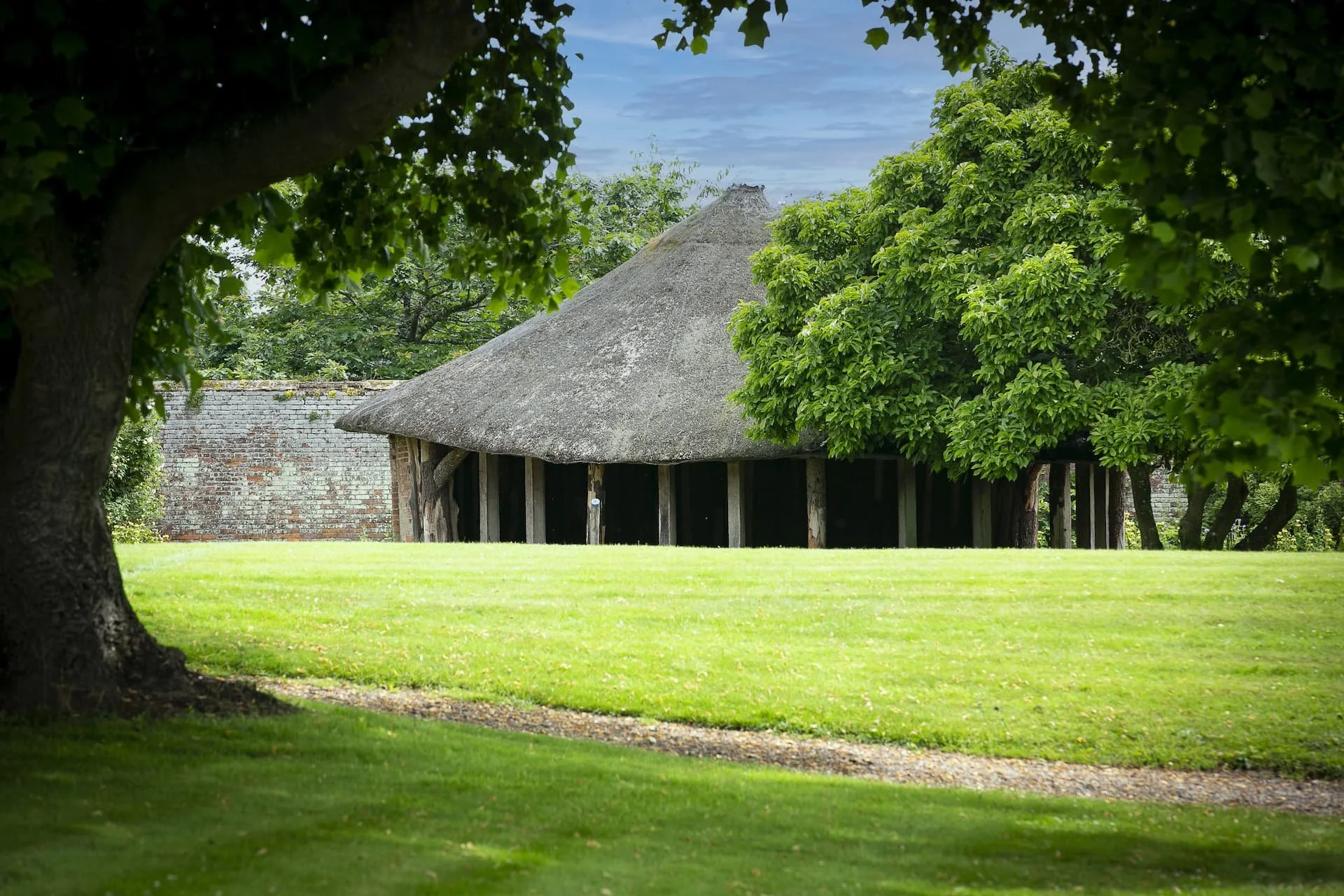
Explore the landscaped parklands, grounds and ancient woodlands of Stoneleigh Abbey, where an abundance of birds and wildlife enriches every walk. In winter, follow the course of the River Avon through the estate to discover the family pet cemetery and the sympathetically restored pump house. In summer, riverside promenades extend across to the rolling fields and shaded woodlands on the far bank.
The grounds at Stoneleigh Abbey were designed by Humphry Repton, a famous eighteenth-century landscape gardener. In 1809 Humphry Repton’s hand-painted Red Book provided Reverend Thomas Leigh, owner of Stoneleigh Abbey at the time, with ample ideas for improvement.
Works have begun at Stoneleigh to restore the grounds as Repton intended, featuring spectacular views of the house from across the River Avon. It was the preference of Repton that the alterations to the estate should enhance natural beauty rather than tame it.
Over the coming years you will be able to watch the landscape transform as bridges are restored and reinstated, the pump house is repaired and returned to working order, and a series of walks are reinstated and reopened for you to enjoy.
Repairs will be made to the fences along the drive and the ancient oak tree near the visitor car park, dated to be nearly a thousand years old, will be given a statelier setting befitting its majesty.
Parts of the project which have already been completed include the restoration of the gazebo on the river near the Orangery, the reinstatement of the reflective lake, repairs to the weirs upstream and restoration of the Georgian sluices. None of this work would have been possible without the help, support, advice and funding from Heritage Lottery Fund and Natural England.
The Grounds